Greek Icons
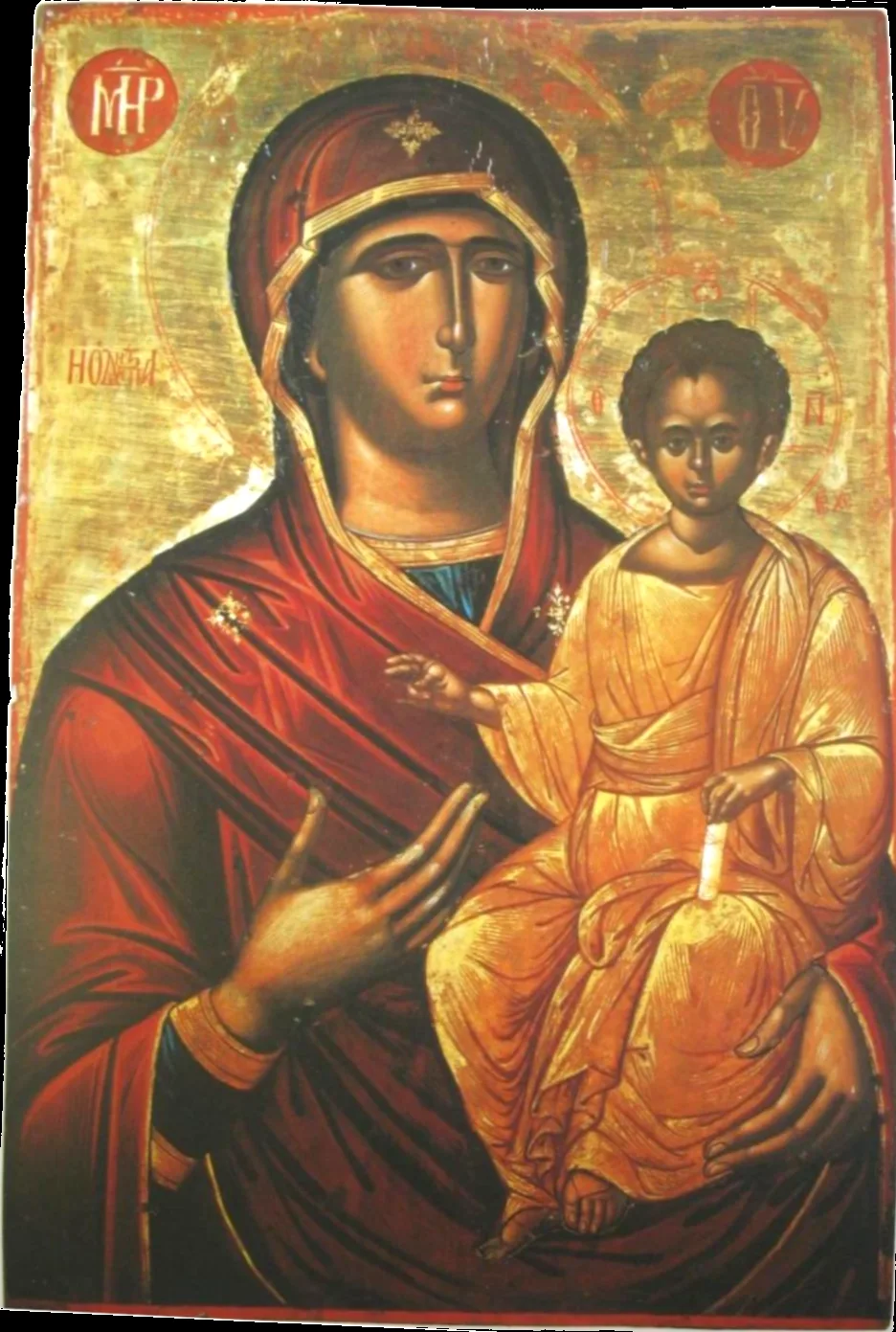
Greek icon painting did not end with the fall of Constantinople. Through the Ottoman and Venetian centuries, painters in Crete, the Ionian Islands, mainland Greece and the diaspora kept the Byzantine tradition alive and renewed it. This section looks at post-Byzantine Greek icons, from about the fifteenth to the nineteenth century. The Cretan school, centred on Candia (Heraklion), produced refined icons for Orthodox and Catholic clients alike and trained painters such as Angelos Akotantos, Andreas Ritzos and Michael Damaskinos. After Crete fell to the Ottomans in 1669, many painters moved to the Ionian Islands and Venice. There, styles mixing Byzantine and Western elements took shape. On the mainland, regional workshops in Epirus, Macedonia and the Peloponnese served village churches and monasteries. Articles examine signed works, workshop practices and the Venetian archival documents that record contracts and prices, and they direct readers to the museums where these icons are preserved.

Articles
Articles for this collection are being restored.