
Ornament of the Kazan Tatars
Tulips, vine scrolls and leather mosaic: the ornament of the Kazan Tatars and its place in the shared decorative language of Muscovite Russia.
Ornament is the setting in which Orthodox imagery lives. It covers icon borders and frames, painted church vaults, embroidered vestments and altar cloths, carved iconostases, metal covers and the illuminated headpieces of liturgical books. This section studies that decorative language: its motifs, its techniques and its origins. Much Orthodox ornament came from late antique and Byzantine sources, such as vine scrolls, interlace, acanthus and the peacock and the cross. Other motifs entered from neighbouring cultures through trade, conquest and the movement of craftsmen. The Islamic world, the Caucasus, the Balkans and the peoples of the Volga all left their mark. Articles look at specific traditions, compare how the same motif changed from one region to another, and ask what ornament meant to the people who made it. Was it pure decoration, a symbol of paradise, a protective sign, or all three? Wherever possible we point to surviving objects and the museums where they can be studied.
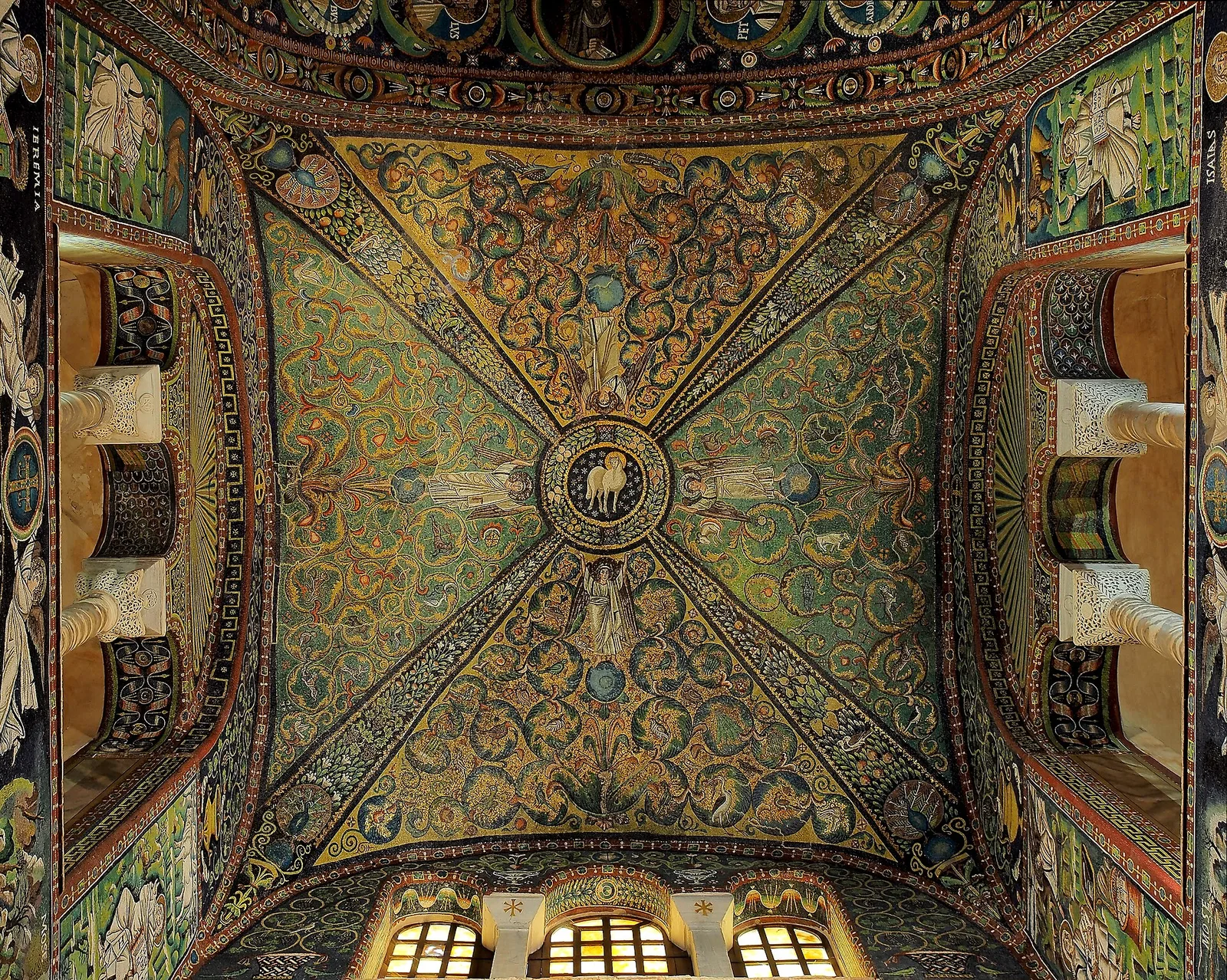
Tulips, vine scrolls and leather mosaic: the ornament of the Kazan Tatars and its place in the shared decorative language of Muscovite Russia.