Serbian Frescoes
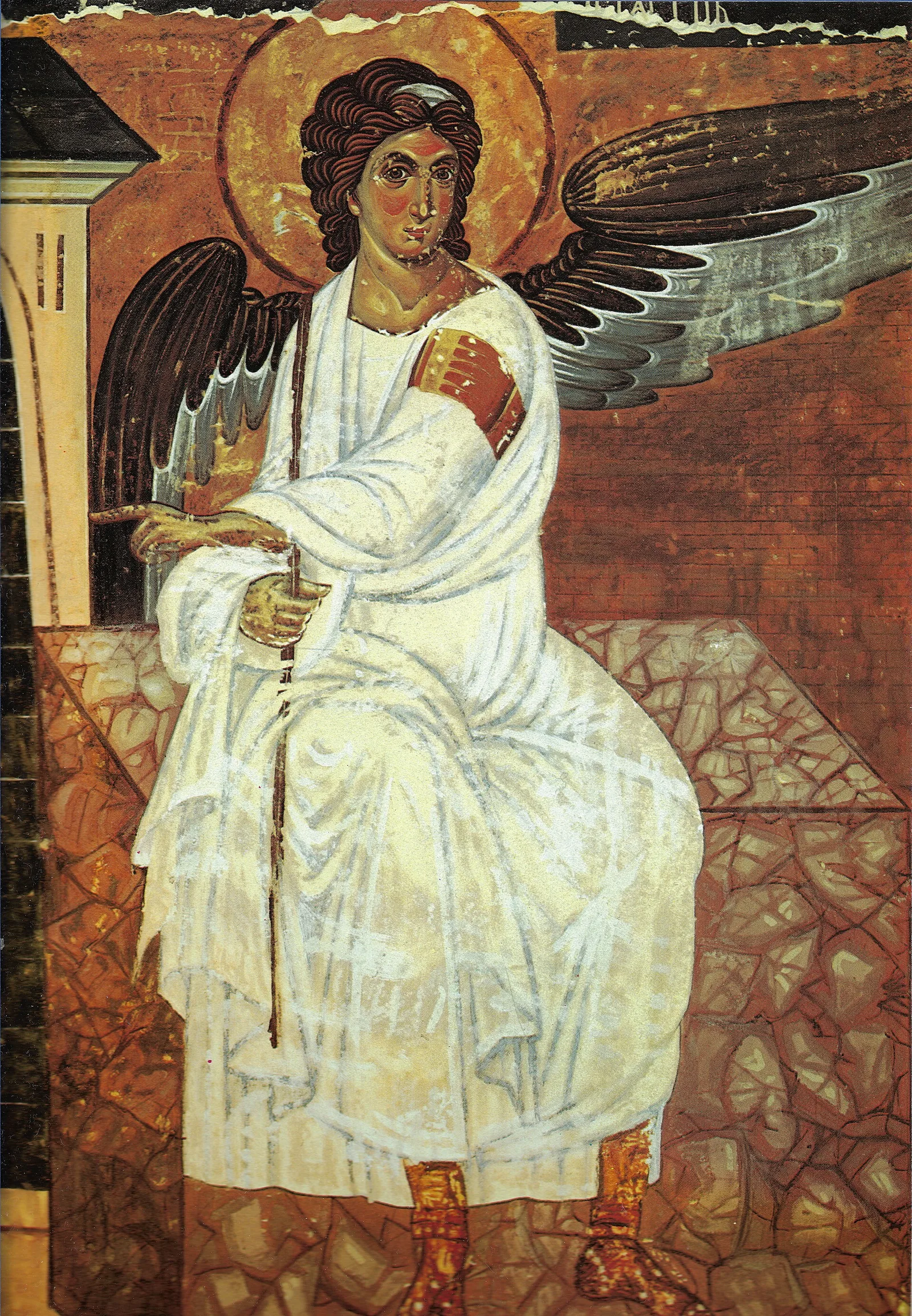
Between the late twelfth and the fifteenth centuries, Serbian rulers and nobles founded dozens of monasteries and filled them with frescoes of the highest quality. The kings of the Nemanjić dynasty saw these foundations as acts of piety and as statements of royal legitimacy. They invited leading painters, some trained in Constantinople and Thessaloniki, to decorate them. This section explores that heritage. It begins at Studenica, founded by Stefan Nemanja, and goes on to the thirteenth-century monumental style of Mileševa, with its famous White Angel, and of Sopoćani. It continues with the Palaiologan painters active under King Milutin, and ends with the Morava school churches of the late fourteenth and fifteenth centuries, such as Ravanica, Ljubostinja and Resava (Manasija). Articles describe each church's foundation, the identity of its painters where known, the iconographic programme and the royal portraits. They also trace the damage, overpainting and restoration the frescoes have undergone over seven centuries.

Articles
Articles for this collection are being restored.