
Icons of Cyprus — Part II
Middle Byzantine and Crusader-era icons of Cyprus: Lagoudera, Asinou, the Kykkos tradition and the relief-gesso 'maniera cypria'.
The panel icon as Orthodox Christians know it took shape in the Byzantine Empire. For more than a thousand years, from the reign of Constantine to the fall of Constantinople in 1453, Byzantine painters fixed the types of Christ, the Theotokos and the saints that later generations would copy and renew. Very few icons survive from before Iconoclasm (726–843). The most important are kept at St Catherine's Monastery on Sinai. After the restoration of icons in 843, production flourished: in the capital, in provincial centres such as Thessaloniki, and on islands like Cyprus and Crete. This section looks at the main periods: the Macedonian renaissance, the elegant Comnenian style of the twelfth century, and the expressive Palaiologan art of the late empire. Articles examine regional groups of icons, the workshops that made them and the churches they served. They pay attention to technique: wooden panels, gesso, egg tempera and gold leaf. They also pay attention to theology, since for Byzantine Christians an icon was a window onto the person it shows.
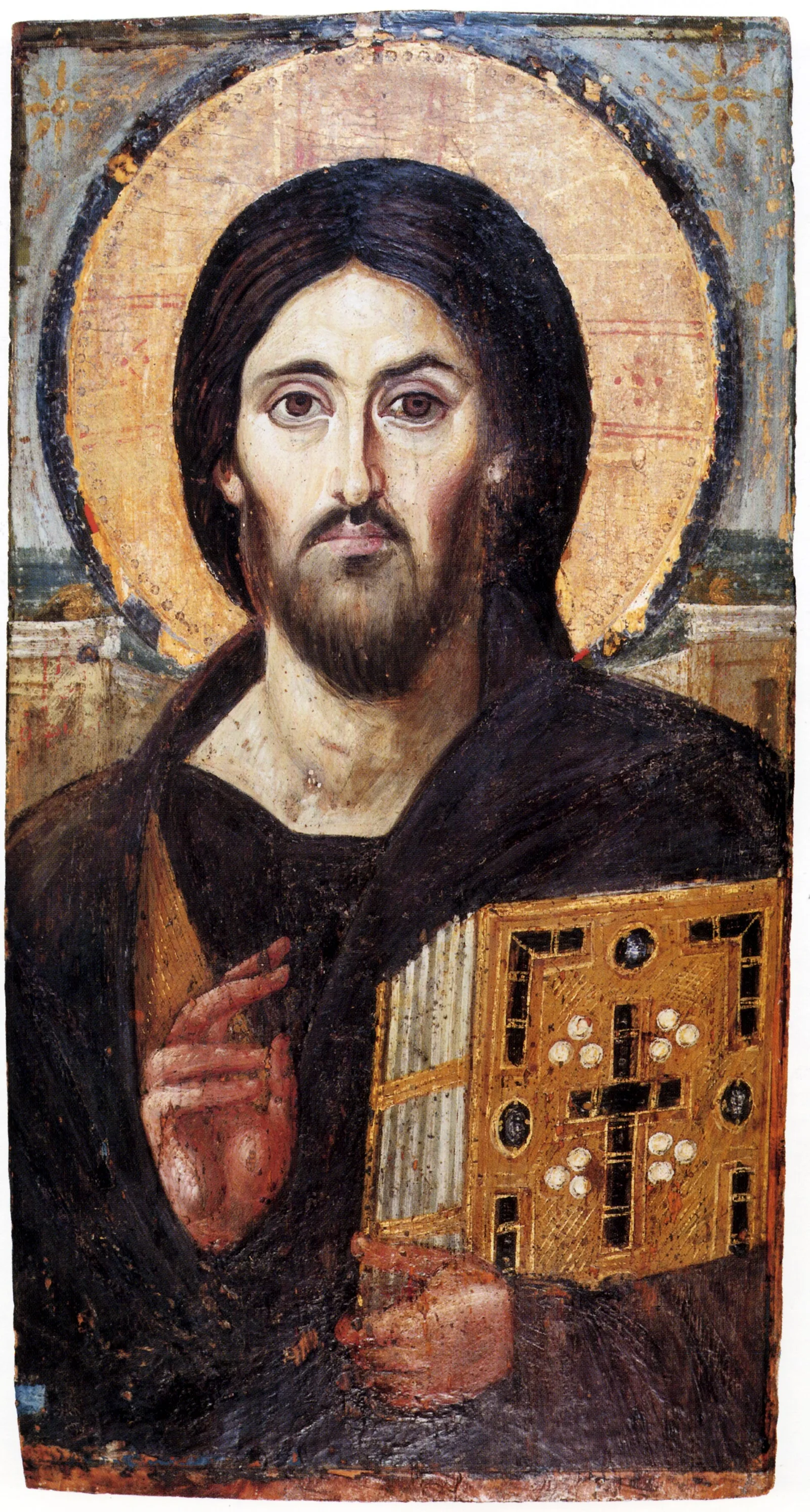
Middle Byzantine and Crusader-era icons of Cyprus: Lagoudera, Asinou, the Kykkos tradition and the relief-gesso 'maniera cypria'.