
The Mosaics of San Vitale, Ravenna (6th Century)
The 6th-century mosaics of San Vitale in Ravenna: the apse Christ, the Justinian and Theodora panels and the Old Testament programme of the chancel.
Mosaic was the most luxurious medium of Byzantine art. Built up from thousands of glass, stone and gold tesserae, mosaic walls seemed to dissolve into light, and that effect became central to how Byzantines imagined heaven. This section covers the great mosaic ensembles and related arts of the Byzantine world. They range from the sixth-century churches of Ravenna and the Justinianic monuments of Constantinople to the eleventh-century programmes at Hosios Loukas, Nea Moni on Chios and Daphni near Athens. The section also takes in the brilliant late Byzantine mosaics of the Chora Monastery in Istanbul, and the Byzantine-trained workshops of Norman Sicily and Venice. Alongside mosaics, articles consider ivories, enamels, silk and illuminated manuscripts, the portable arts that carried Byzantine style across Europe and the Mediterranean. Each article explains the historical setting, the patrons and the iconographic programme. It also explains how these works shaped the forms of the Orthodox icon.
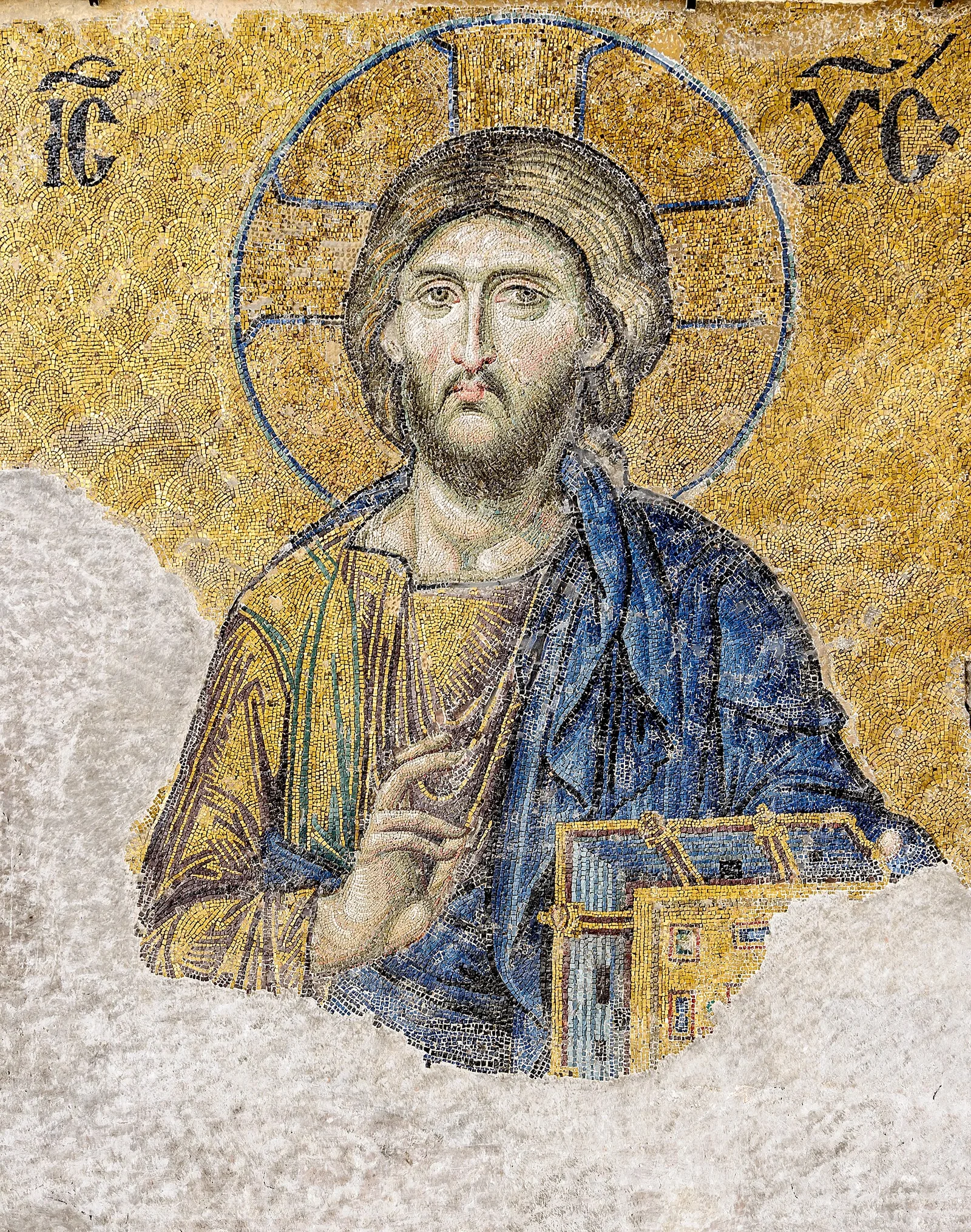
The 6th-century mosaics of San Vitale in Ravenna: the apse Christ, the Justinian and Theodora panels and the Old Testament programme of the chancel.